The Case for a Slower Cup of Coffee at Home
There is a point at which making coffee at home stops being a way to get caffeine and becomes a small piece of the day worth noticing. That shift does not require expensive equipment, specialist vocabulary, or a shelf full of beans. It usually begins with something much simpler: giving the process a few uninterrupted minutes.
A slower cup is less about perfection than attention. The sound of a grinder, the smell that appears as hot water meets coffee, and the first sip before a screen has taken over the morning can become a reliable marker between sleep and the rest of the day. Because the ritual is brief, it is also easy to repeat.
Start with what you can actually taste
Instead of trying to identify a long list of tasting notes, compare obvious differences. Is one coffee brighter than another? Does it feel heavier or lighter? Does the flavour remain pleasant as the cup cools? These questions are useful because they build confidence without demanding specialist knowledge.
It helps to change only one thing at a time. Use the same mug and roughly the same amount of water for several mornings. If you try a new coffee, keep the preparation familiar. If you adjust the grind, keep the coffee itself the same. Small comparisons are easier to remember than a completely different setup every day.
A small ritual, not a laboratory
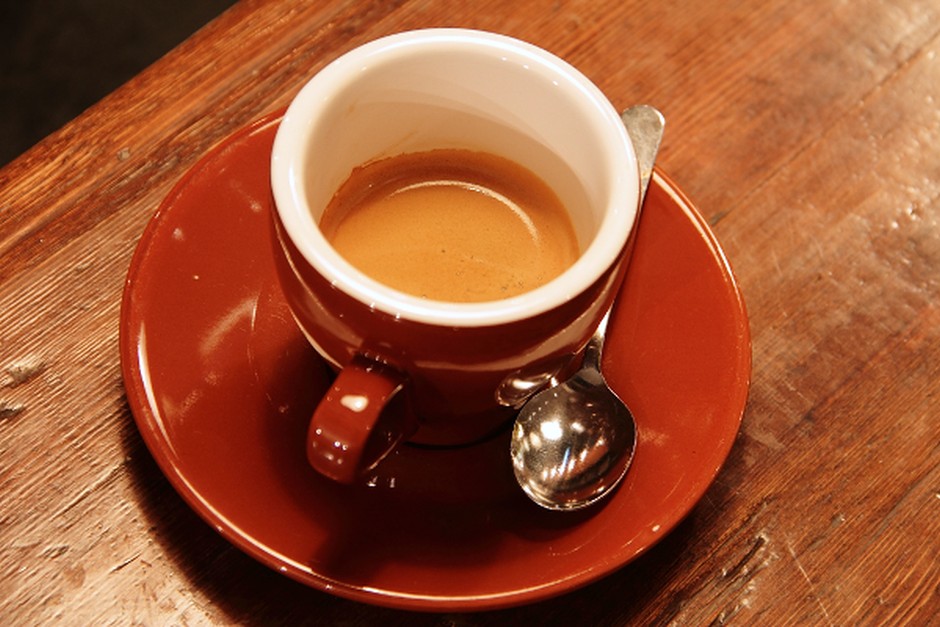
Precision can be useful, but it should serve the experience rather than dominate it. A scale is handy if you enjoy repeatability; a spoon and a favourite cup are perfectly adequate if you do not. The goal is to create a routine that feels calm enough to keep.
One practical way to slow the process is to prepare the space before you begin. Put the mug out, clear yesterday’s dishes from the immediate area, and keep the coffee in one predictable place. Removing tiny frictions makes it easier to focus on the pleasant parts of the ritual.
Let the cup cool
Coffee changes noticeably as its temperature drops. A cup that seems simple when very hot may become sweeter, fruitier, or more chocolate-like after ten minutes. Waiting also reduces the urge to drink it mechanically while doing something else. You begin to notice the drink rather than simply finish it.
This is one reason a slower coffee routine works well on weekends. There is no need to manufacture a special occasion. Sit near a window, read a few pages, or simply leave the phone in another room until the cup is half gone. The coffee becomes a boundary around a short period of unclaimed time.
Keep the parts you enjoy
Some people like hand grinders and pour-over brewers; others prefer a simple cafetière or reliable machine. The best home routine is the one that survives ordinary mornings. If a technique feels fussy, simplify it. If measuring makes the result more satisfying, keep measuring. There is no prize for difficulty.
Over time, the value of the ritual may have less to do with coffee itself. Repeating a small, sensory task can make the start of the day feel less abrupt. The cup is still just a cup of coffee, but a few deliberate minutes around it can create a surprisingly generous pause.